Prophecies fulfilled by Christ
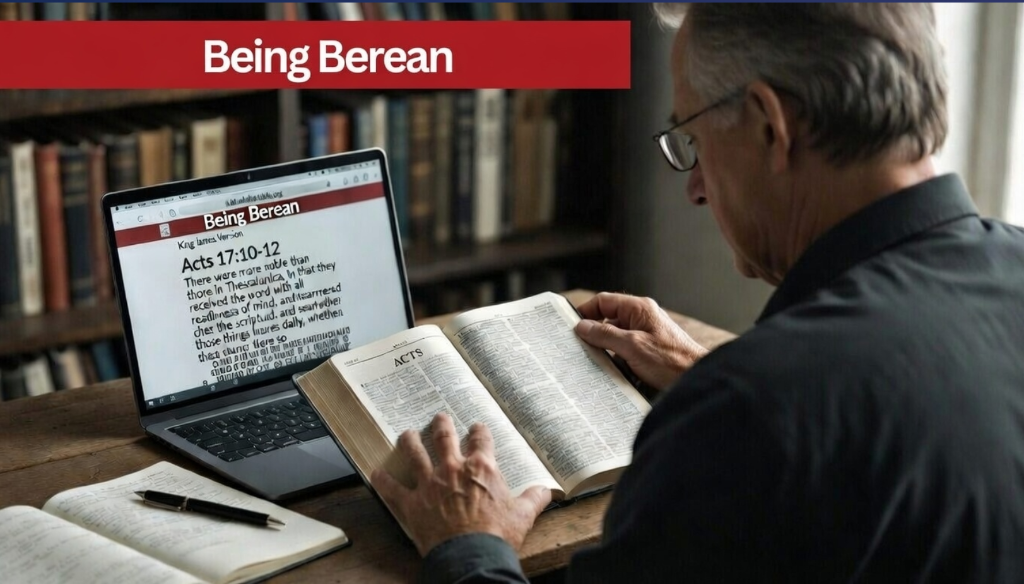
In being a berean these prophecies were used to analysis Paul's teaching. Here is a clear, organized list of major Old Testament prophecies from the King James Bible that were fulfilled by Jesus Christ, along with their New Testament fulfillments. I included different AI's response to my various questions. At the end I include a study on the prophecy numbers. These numbers are based on external sources not AI calculation.
T.he New Testament writers frequently point these out to demonstrate that Jesus is the promised Messiah. While scholars identify hundreds of prophecies and typological references fulfilled in Christ (some counts exceed 300 when including broader themes), the following are among the most direct and widely recognized. I have quoted key verses directly from the King James Version (KJV).
Prophecies of His Birth and Early Life
1. Born of a virgin Prophecy (Isaiah 7:14): “Therefore the Lord himself shall give you a sign; Behold, a virgin shall conceive, and bear a son, and shall call his name Immanuel.” Fulfillment: Matthew 1:22-23 (the virgin birth of Jesus; note the spelling “Emmanuel” in the NT quotation).
2. Born in Bethlehem Prophecy (Micah 5:2): “But thou, Bethlehem Ephratah, though thou be little among the thousands of Judah, yet out of thee shall he come forth unto me that is to be ruler in Israel; whose goings forth have been from of old, from everlasting.” Fulfillment: Matthew 2:1, 4-6; Luke 2:4-7 (Jesus born in Bethlehem).
3. Flight to Egypt Prophecy (Hosea 11:1): “When Israel was a child, then I loved him, and called my son out of Egypt.” Fulfillment: Matthew 2:14-15 (“Out of Egypt have I called my son”).
4. Massacre of the children Prophecy (Jeremiah 31:15): “Thus saith the LORD; A voice was heard in Ramah, lamentation, and bitter weeping; Rahel weeping for her children refused to be comforted for her children, because they were not.” Fulfillment: Matthew 2:16-18 (Herod’s slaughter of the innocents).
Prophecies of His Ministry
5. Ministry beginning in Galilee / light to the Gentiles Prophecy (Isaiah 9:1-2): “…the land of Zebulun, and the land of Naphtali… Galilee of the nations. The people that walked in darkness have seen a great light…” Fulfillment: Matthew 4:12-16 (Jesus begins His public ministry in Galilee and quotes this prophecy).
6. Triumphal entry into Jerusalem on a donkey Prophecy (Zechariah 9:9): “Rejoice greatly, O daughter of Zion; shout, O daughter of Jerusalem: behold, thy King cometh unto thee: he is just, and having salvation; lowly, and riding upon an ass, and upon a colt the foal of an ass.” Fulfillment: Matthew 21:4-5; John 12:14-15.
Prophecies of His Betrayal, Suffering, and Crucifixion
7. Betrayed by a close friend Prophecy (Psalm 41:9): “Yea, mine own familiar friend, in whom I trusted, which did eat of my bread, hath lifted up his heel against me.” Fulfillment: John 13:18 (Judas Iscariot).
8. Betrayed for thirty pieces of silver Prophecy (Zechariah 11:12): “…So they weighed for my price thirty pieces of silver.” Fulfillment: Matthew 26:15.
9. The silver cast into the temple and used to buy the potter’s field Prophecy (Zechariah 11:13): “…Cast it unto the potter: a goodly price that I was prised at of them. And I took the thirty pieces of silver, and cast them to the potter in the house of the LORD.” Fulfillment: Matthew 27:9-10.
10. Silent before His accusers Prophecy (Isaiah 53:7): “He was oppressed, and he was afflicted, yet he opened not his mouth: he is brought as a lamb to the slaughter, and as a sheep before her shearers is dumb, so he openeth not his mouth.” Fulfillment: Matthew 27:12-14; Mark 15:3-5.
11. Numbered with transgressors (crucified between two criminals) Prophecy (Isaiah 53:12): “…and he was numbered with the transgressors…” Fulfillment: Mark 15:27-28; Luke 22:37.
12. Hands and feet pierced Prophecy (Psalm 22:16): “For dogs have compassed me: the assembly of the wicked have inclosed me: they pierced my hands and my feet.” Fulfillment: John 19:18; John 20:25-27 (the nail prints in Jesus’ hands and feet).
13. Garments divided and lots cast for His clothing Prophecy (Psalm 22:18): “They part my garments among them, and cast lots upon my vesture.” Fulfillment: John 19:23-24.
14. Given gall and vinegar to drink Prophecy (Psalm 69:21): “They gave me also gall for my meat; and in my thirst they gave me vinegar to drink.” Fulfillment: Matthew 27:34, 48; John 19:28-30.
15. No bones broken Prophecy (Psalm 34:20): “He keepeth all his bones: not one of them is broken.” (Also Exodus 12:46, typological of the Passover lamb.) Fulfillment: John 19:32-33, 36.
16. Side pierced Prophecy (Zechariah 12:10): “…and they shall look upon me whom they have pierced…” Fulfillment: John 19:34, 37.
17. Buried in a rich man’s tomb Prophecy (Isaiah 53:9): “And he made his grave with the wicked, and with the rich in his death…” Fulfillment: Matthew 27:57-60 (Joseph of Arimathea’s new tomb).
Prophecies of His Resurrection and Exaltation
18. Resurrection — not abandoned to the grave / no corruption Prophecy (Psalm 16:10): “For thou wilt not leave my soul in hell; neither wilt thou suffer thine Holy One to see corruption.” Fulfillment: Acts 2:24-32 (Peter’s sermon at Pentecost quotes this); also Acts 13:35-37.
19. Ascension and giving of gifts Prophecy (Psalm 68:18): “Thou hast ascended on high, thou hast led captivity captive: thou hast received gifts for men…” Fulfillment: Ephesians 4:8.
The Suffering Servant (Isaiah 53)
One of the most powerful single chapters is Isaiah 53. It describes the Messiah as despised and rejected, bearing our griefs and sorrows, wounded for our transgressions, bruised for our iniquities, silent before His shearers, numbered with transgressors, and making intercession for them — yet ultimately seeing the travail of His soul and being satisfied. The New Testament applies nearly every verse to Jesus (e.g., Matthew 8:17; John 12:38; Acts 8:32-35; 1 Peter 2:24-25).
These prophecies span centuries (from Moses to Malachi) and were written long before Christ’s birth. The precision of their fulfillment — especially the detailed crucifixion accounts in Psalm 22 and Isaiah 53 — is one of the strongest evidences presented in Scripture for the identity of Jesus as the Christ.
For further study in the KJV, I recommend reading these chapters in full:
- Isaiah 53
- Psalm 22
- Psalm 69
- Zechariah 9–12
- Micah 5
https://x.com/compose/articles/edit/2097252616099020800
What are the Prophecy in the KJB fullfilled by Christ Jesus in the first 5 books of the new testament?
Grok's answers are listed below. Here is a selection of major Old Testament prophecies (KJV) fulfilled by Jesus Christ as recorded in the first five books of the New Testament (Matthew, Mark, Luke, John, and Acts).Kjvstudy
The Gospels (especially Matthew) frequently note fulfillments with phrases such as “that it might be fulfilled which was spoken of the Lord by the prophet.” Acts records early apostolic preaching that identifies Jesus as the fulfillment of specific prophecies. There are many more (estimates often range from dozens to hundreds of messianic references or allusions across the OT), but these are among the clearest and most commonly cited ones directly tied to events in these books.
Birth and Early Life
-
Born of a virgin / called Immanuel (“God with us”) — Isaiah 7:14
“Behold, a virgin shall conceive, and bear a son, and shall call his name Immanuel.”
Fulfilled: Matthew 1:18–25 (explicitly cited in 1:22–23); Luke 1:26–35.Kjvstudy -
Born in Bethlehem — Micah 5:2
“But thou, Bethlehem Ephratah, though thou be little among the thousands of Judah, yet out of thee shall he come forth unto me that is to be ruler in Israel; whose goings forth have been from of old, from everlasting.”
Fulfilled: Matthew 2:1–6; Luke 2:4–7.Onfireforgod -
Called out of Egypt — Hosea 11:1
“When Israel was a child, then I loved him, and called my son out of Egypt.”
Fulfilled: Matthew 2:13–15 (explicitly cited).Kjvstudy -
Slaughter of infants / weeping in Ramah — Jeremiah 31:15
“A voice was heard in Ramah, lamentation, and bitter weeping; Rahel weeping for her children refused to be comforted for her children, because they were not.”
Fulfilled: Matthew 2:16–18 (explicitly cited).Onfireforgod -
Called a Nazarene — Associated with prophetic references (e.g., the “Branch”/netzer imagery in Isaiah 11:1 and related passages)
Fulfilled: Matthew 2:23 (“that it might be fulfilled which was spoken by the prophets, He shall be called a Nazarene”).Kingjamesbibleonline -
Seed of Abraham, Isaac, Jacob; tribe of Judah; house of David — Genesis 12:3; 17:19; 49:10; 2 Samuel 7:12–16; Isaiah 11:1, etc.
Fulfilled in the genealogies and titles: Matthew 1:1–16; Luke 1:32–33; 3:23–38; Acts 3:25; 13:22–23.Onfireforgod
Forerunner and Ministry
-
Preceded by a messenger / voice in the wilderness — Isaiah 40:3; Malachi 3:1 (and Malachi 4:5–6 regarding Elijah)
Fulfilled: Matthew 3:1–3; 11:10–14; Mark 1:2–3; Luke 1:17, 76; 3:4–6; John 1:23.Onfireforgod -
Ministry bringing light in Galilee (Zebulun/Naphtali) — Isaiah 9:1–2
Fulfilled: Matthew 4:12–16 (explicitly cited).Kjvstudy -
Anointed by the Spirit / healing and preaching good news — Isaiah 11:2; 42:1; 61:1–2
Fulfilled: Matthew 3:16–17; Luke 4:16–21 (Jesus reads and applies Isaiah 61); Matthew 11:5; 12:17–21 (citing Isaiah 42).Kingjamesbibleonline -
Healing the sick / bearing infirmities — Isaiah 53:4
Fulfilled: Matthew 8:16–17 (explicitly cited).Kingjamesbibleonline -
Speaking in parables — Psalm 78:2
Fulfilled: Matthew 13:34–35 (explicitly cited).Kjvstudy -
Prophet like Moses — Deuteronomy 18:15–19
Fulfilled: Acts 3:22–23; 7:37; also recognized in the Gospels (e.g., John 6:14; 7:40).Onfireforgod
Passion, Death, and Burial
-
Triumphal entry on a donkey — Zechariah 9:9
“Behold, thy King cometh unto thee… lowly, and riding upon an ass, and upon a colt the foal of an ass.”
Fulfilled: Matthew 21:1–9 (explicitly cited in 21:4–5); Mark 11; Luke 19; John 12.Kingjamesbibleonline -
Betrayed for 30 pieces of silver / potter’s field — Zechariah 11:12–13
Fulfilled: Matthew 26:14–16; 27:3–10 (explicitly cited, noting the connection also to Jeremiah).Kingjamesbibleonline -
Betrayed by a friend / disciples scattered — Psalm 41:9; Zechariah 13:7
Fulfilled: Matthew 26:21–25, 31, 47–56; John 13:18; Mark 14:27, 50.Kingjamesbibleonline -
Silent before accusers / despised and rejected — Isaiah 53:7, 3
Fulfilled: Matthew 26:62–63; 27:12–14; Mark 15:3–5; Luke 23:9; John 19:9; also the overall rejection narrative.Kingjamesbibleonline -
Pierced / hands and feet / garments divided by lots / mocked — Psalm 22:1, 7–8, 16–18
Fulfilled: Matthew 27:35, 39–43, 46; Mark 15:24, 29–32, 34; Luke 23:34–35; John 19:23–24 (explicitly citing the casting of lots).Kingjamesbibleonline -
No bones broken — Exodus 12:46; Psalm 34:20
Fulfilled: John 19:33–36.Kingjamesbibleonline -
Pierced side / looking on the one pierced — Zechariah 12:10
Fulfilled: John 19:34–37.Kingjamesbibleonline -
Buried with the rich — Isaiah 53:9
Fulfilled: Matthew 27:57–60.Kingjamesbibleonline -
Suffering Servant bearing sins — Isaiah 53 (especially 53:4–12)
Fulfilled in the crucifixion accounts throughout the Gospels and applied in Acts (e.g., Acts 8:32–35).Kingjamesbibleonline
Resurrection and Exaltation
-
Not left in the grave / not see corruption — Psalm 16:8–11
Fulfilled: Acts 2:25–32 (Peter’s Pentecost sermon); Acts 13:35–37.Kingjamesbibleonline -
Resurrection and exaltation (seated at the right hand) — Psalm 110:1 (also related themes in Isaiah 53:10–12 and others)
Fulfilled: Acts 2:33–36; 5:31; Matthew 22:41–46; Mark 12:35–37; Luke 20:41–44; and the resurrection narratives in all four Gospels.Onfireforgod
These fulfillments, many of which Matthew highlights as intentional divine accomplishment of Scripture, form a central theme of the Gospels and the early preaching in Acts. The KJV texts consistently present Jesus’ life, ministry, death, and resurrection as the realization of these ancient prophecies. For full context, compare the cited passages directly in the King James Bible.
Old Testament prophecies (KJV) fulfilled in the New Testament are primarily messianic—those pointing to Jesus Christ—but the NT also records fulfillments related to the outpouring of the Spirit, the inclusion of Gentiles, the new covenant, and other events. Matthew especially highlights fulfillments with phrases like “that it might be fulfilled,” while Acts and the Epistles apply many prophecies in preaching and teaching.
What are the Prophecy in the KJB fullfilled by in the new testament?
Below are key examples organized by category, with OT prophecy and NT fulfillment references from the King James Bible. There are far more (scholars often cite dozens to hundreds of messianic references or allusions); these are among the clearest.
Birth, Lineage, and Early Life of Jesus
- Virgin birth / Immanuel — Isaiah 7:14
Fulfilled: Matthew 1:22–23; Luke 1:26–35. - Born in Bethlehem — Micah 5:2
Fulfilled: Matthew 2:1–6; Luke 2:4–7. - Called out of Egypt — Hosea 11:1
Fulfilled: Matthew 2:15. - Slaughter of the innocents / weeping in Ramah — Jeremiah 31:15
Fulfilled: Matthew 2:17–18. - Called a Nazarene — Related to “Branch” (netzer) imagery (Isaiah 11:1 and others)
Fulfilled: Matthew 2:23. - Seed of Abraham, Isaac, Jacob; tribe of Judah; house of David — Genesis 12:3; 17:19; 49:10; 2 Samuel 7:12–16; Isaiah 11:1
Fulfilled: Matthew 1:1–16; Luke 1:32–33; 3:23–38; Acts 3:25; 13:22–23.
Forerunner and Ministry
- Messenger preparing the way / voice in the wilderness — Isaiah 40:3; Malachi 3:1; Malachi 4:5–6
Fulfilled: Matthew 3:1–3; 11:10–14; Mark 1:2–3; Luke 1:17, 76; 3:4–6; John 1:23. - Light in Galilee (Zebulun/Naphtali) — Isaiah 9:1–2
Fulfilled: Matthew 4:14–16. - Anointed by the Spirit; preaching good news; healing — Isaiah 11:2; 42:1–4; 61:1–2
Fulfilled: Matthew 3:16–17; 12:17–21; Luke 4:16–21; Matthew 8:17 (Isaiah 53:4). - Speaking in parables — Psalm 78:2
Fulfilled: Matthew 13:35. - Prophet like Moses — Deuteronomy 18:15–19
Fulfilled: Acts 3:22–23; 7:37; John 6:14; 7:40.
Passion, Death, and Burial
- Triumphal entry on a donkey — Zechariah 9:9
Fulfilled: Matthew 21:4–5; Mark 11; Luke 19; John 12. - Betrayed for 30 pieces of silver / potter’s field — Zechariah 11:12–13
Fulfilled: Matthew 26:14–16; 27:9–10. - Betrayed by a friend; disciples scatter — Psalm 41:9; Zechariah 13:7
Fulfilled: Matthew 26:31, 47–56; John 13:18. - Silent before accusers; despised and rejected; suffering Servant — Isaiah 53 (esp. 53:3, 7, 4–12)
Fulfilled throughout the trial and crucifixion accounts (Matthew 26–27; Mark 14–15; Luke 22–23; John 18–19); applied in Acts 8:32–35. - Pierced hands/feet; garments divided by lots; mocked; forsaken — Psalm 22:1, 7–8, 16–18
Fulfilled: Matthew 27:35, 39–43, 46; John 19:23–24. - No bones broken — Exodus 12:46; Psalm 34:20
Fulfilled: John 19:33–36. - Side pierced — Zechariah 12:10
Fulfilled: John 19:34–37. - Buried with the rich — Isaiah 53:9
Fulfilled: Matthew 27:57–60.
Resurrection, Exaltation, and Related
- Not left in the grave / not see corruption — Psalm 16:8–11
Fulfilled: Acts 2:25–32; 13:35–37. - Seated at the right hand / Lord said to my Lord — Psalm 110:1
Fulfilled: Acts 2:33–36; Matthew 22:41–46; Mark 12:35–37; Luke 20:41–44; Hebrews 1:13.
Other Notable Fulfillments in the NT
- Outpouring of the Spirit — Joel 2:28–32
Fulfilled: Acts 2:16–21 (Peter’s Pentecost sermon). - New covenant — Jeremiah 31:31–34
Fulfilled: Luke 22:20; Hebrews 8:8–13; 10:16–17. - Gentiles included / blessing to all nations — Genesis 12:3; Isaiah 42:6; 49:6 and related
Fulfilled in the preaching and expansion in Acts (e.g., Acts 10–11, 13:47; 15) and epistles (Romans 15:9–12, etc.). - Stone the builders rejected becomes the cornerstone — Psalm 118:22–23
Fulfilled: Matthew 21:42; Acts 4:11; 1 Peter 2:7. - Hardened hearts / seeing but not perceiving — Isaiah 6:9–10
Fulfilled: Matthew 13:14–15; John 12:39–40; Acts 28:25–27.
These are drawn from the consistent KJV wording and the NT’s own citations of fulfillment. Matthew’s Gospel is especially rich in explicit “fulfilled” quotations; Acts applies many in the context of the early church; and the Epistles (especially Hebrews, Romans, and 1 Peter) expound them theologically. For the full picture, compare the cited passages directly in the King James Bible.
What old testament prophecies support Paul's teaching?
Paul’s teaching is heavily supported by Old Testament prophecies and passages, which he treats as authoritative Scripture fulfilled in Christ and the gospel. He frequently quotes or alludes to them (especially in Romans and Galatians) to show that his message of justification by faith, the inclusion of Gentiles, the new covenant, and Christ as the promised Seed continues rather than contradicts the Old Testament.
Here are some of the most important ones (KJV references):
Justification by Faith (Not by Works of the Law)
-
Genesis 15:6 — “And he [Abraham] believed in the LORD; and he counted it to him for righteousness.”
Paul uses this as the foundational example of righteousness by faith apart from works or circumcision (Romans 4:1–25; Galatians 3:6–9). -
Habakkuk 2:4 — “The just shall live by his faith.”
This is a key text for Paul’s gospel (Romans 1:17; Galatians 3:11). -
Deuteronomy 21:23 — “He that is hanged is accursed of God.”
Paul applies this to Christ becoming a curse for us so that the blessing of Abraham could come to the Gentiles (Galatians 3:13–14).
The Promise to Abraham and Inclusion of Gentiles
-
Genesis 12:3; 18:18; 22:18 — “In thee shall all families/nations of the earth be blessed.”
Paul argues that the promise was made to Abraham and his Seed (Christ), so Gentiles who believe are blessed with Abraham and become heirs (Galatians 3:8, 14, 16, 29; Romans 4:9–17). -
Genesis 17:5 and related promises — Abraham as “a father of many nations.”
Paul cites this to show that justification by faith extends beyond ethnic Israel (Romans 4:16–18).
The New Covenant and the Spirit
-
Jeremiah 31:31–34 — The prophecy of a new covenant written on the heart, with sins forgiven.
Paul contrasts the old covenant of the letter with the new covenant of the Spirit (2 Corinthians 3:6–18; also 1 Corinthians 11:25). -
Ezekiel 36:26–27 (and related passages about the Spirit) — God giving a new heart and putting His Spirit within.
This undergirds Paul’s teaching on the ministry of the Spirit and the law of the Spirit of life in Christ (Romans 8; 2 Corinthians 3).
Israel’s Hardening, Remnant, and Future
-
Isaiah 10:22–23; 1:9; Hosea 1:10; 2:23 — Prophecies of a remnant being saved and God calling those who were not His people.
Paul applies these in Romans 9:25–29 to explain God’s election and the inclusion of Gentiles alongside a remnant of Israel. -
Isaiah 29:10; 6:9–10; Deuteronomy 29:4 — Spiritual blindness or hardening.
Paul cites these in Romans 11:7–10 regarding Israel’s temporary hardening so that Gentiles might be saved, while affirming that “all Israel shall be saved” (Romans 11:26, drawing on Isaiah 59:20–21 and Jeremiah 31).
Christ as the Fulfillment and Suffering Servant
-
Isaiah 53 — The Suffering Servant who bears the sins of many.
Paul refers to the gospel as fulfilling the Scriptures concerning Christ’s death and resurrection for our sins (1 Corinthians 15:3–4; also Romans 4:25; 8:32). -
Psalm 16:10 and related resurrection texts — “Thou wilt not leave my soul in hell.”
Paul preaches the resurrection as fulfillment of Scripture (Acts 13:32–37; 1 Corinthians 15). -
Deuteronomy 18:15–19 — The prophet like Moses whom the people must hear.
While more explicit in Acts, Paul operates within this framework of Christ as the ultimate prophet and mediator.
Additional Supporting Themes
- The rock in the wilderness (Exodus 17; Numbers 20) — Paul says “that Rock was Christ” (1 Corinthians 10:4), using typology to teach about Christ and warning against idolatry.
- Psalm 32:1–2 — Blessedness of those whose sins are forgiven (Romans 4:6–8).
- Isaiah 52:7 / Nahum 1:15 — Beautiful feet of those who bring good news (Romans 10:15).
- Joel 2:32 — “Whosoever shall call upon the name of the Lord shall be saved” (Romans 10:13).
Paul consistently argues that the law and the prophets bear witness to the righteousness of God through faith in Jesus Christ (Romans 3:21). His teaching is not a rejection of the Old Testament but a claim that its prophecies and promises find their climax and fulfillment in Christ, the gospel, and the inclusion of both Jews and Gentiles in one body by faith.
What is the total number of prophecies in the old testament referenced in the new testament?
There is no single agreed-upon “total number,” because it depends on definitions and counting methods. Scholars distinguish between direct quotations, clear allusions, and looser references or echoes, and not every Old Testament reference is a prophecy.
Direct Quotations and Clear References
Conservative counts of direct quotations (often introduced by formulas such as “it is written” or “that it might be fulfilled”) are typically in the range of about 250–355.
Roger Nicole’s classic analysis counted at least 295 separate clear references (including some paraphrases and highly similar passages), occupying roughly 352 New Testament verses (more than 4% of the NT).
The United Bible Societies’ Greek New Testament (4th edition) lists 343 quotations plus 2,309 allusions and verbal parallels.
When broader allusions are included, totals rise into the hundreds or low thousands (estimates vary widely, from roughly 600–1,600 clear allusions up to several thousand more distant echoes, depending on the scholar).
These figures cover all kinds of Old Testament material (narrative, law, poetry, wisdom, and prophecy), not prophecies alone. Psalms and Isaiah are by far the most frequently quoted books.
Messianic Prophecies Specifically
Popular Christian estimates of Old Testament prophecies about the Messiah that are fulfilled by Jesus and referenced in the New Testament commonly range from about 300 to 350+. Specific published lists include figures such as 301, 324, or 351.
J. Barton Payne identified around 191 prophecies with a more personal reference to Christ.
Alfred Edersheim noted that Jewish rabbis before Jesus identified at least 456 Old Testament passages as messianic (not all of which Christians treat as fulfilled by Jesus).
Many popular sources simply say “over 300.”
These messianic counts focus on predictions concerning Jesus’ birth, lineage, ministry, suffering, death, resurrection, and related themes that the New Testament explicitly or implicitly presents as fulfilled.
Broader Context
The Old Testament itself contains roughly 1,239 prophecies according to J. Barton Payne’s Encyclopedia of Biblical Prophecy (part of a total of about 1,817 prophecies in the whole Bible).
Only a subset of those are cited or applied in the New Testament.
In short:
Direct OT quotations in the NT ≈ 250–355.
Clear references including strong allusions ≈ 300+ (conservative) to well over 1,000.
Messianic prophecies commonly said to be fulfilled by Jesus and referenced in the NT ≈ over 300 (with lists of 301–351+).
Exact totals vary by criteria (what counts as a distinct prophecy, a quotation versus an allusion, and whether typology is included). The New Testament writers treat the Old Testament as authoritative Scripture that finds its fulfillment in Christ and the church.
This an assetment by AI based on it's sources. This is not AI analying bible content.
Another question was what did the Bereans consider when analysing Paul's Gospel.